POLITICS
A’IBOM OIL COMMUNITIES DEMAND ACTION ON GAS FLARING, HOST COMMUNITY RIGHTS • Seek Enforcement of PIA, Transparency in Trust Funds

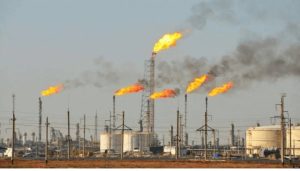
Stakeholders from oil-producing communities in Onna Local Government Area of Akwa Ibom State have called for stronger enforcement of environmental regulations, an end to indiscriminate gas flaring, and full implementation of the host community provisions of the Petroleum Industry Act (PIA) 2021.
The demands formed the highpoint of a one-day community sensitisation and capacity-building workshop organised by Onna LGA stakeholders in partnership with Policy Alert in Eket.
The workshop brought together community leaders, women and youth representatives, civil society organisations, and extractive industry experts to examine the environmental and socio-economic impact of oil exploration activities, while educating host communities on their legal rights under the Petroleum Industry Act.
Participants stressed the need for sustained sensitisation of oil-bearing communities on the provisions of the PIA, noting that the legislation guarantees community development, environmental protection, and greater participation in decisions affecting their livelihoods.
Opening the workshop, an indigene of Onna LGA, Donald Ikpe, expressed concern over the worsening environmental degradation in the area, saying the situation had attracted growing attention from indigenes living abroad.
According to him, reports of persistent gas flaring in Ikot Ebekpo and Ikot Ebidang communities have heightened fears over the health and environmental consequences of oil operations.
He urged participants to utilise the knowledge gained from the workshop to pursue lawful advocacy aimed at protecting their health, environment, and means of livelihood.
Executive Director of Policy Alert, Tijah Bolton-Akpan, said empowering host communities with knowledge of their rights was essential to ensuring accountability in Nigeria’s extractive sector.
“Gas flaring has persisted in the Niger Delta not because there are no laws against it, but because the communities most affected have been kept at the margins of the conversations that matter,” he said.
Bolton-Akpan noted that although the Petroleum Industry Act promised development, participation, and environmental protection for host communities, such commitments would remain meaningless unless communities were equipped to demand compliance.
“When the people of Onna understand their rights and know how to demand accountability, they become impossible to ignore,” he added.
Participants also examined provisions establishing the Host Community Development Trust (HCDT), a mechanism designed to ensure oil-producing communities derive direct benefits from petroleum operations.
Leading the session on the rights and responsibilities of host communities under the PIA, Executive Director of the Ibom Peer Foundation and extractive sector analyst, Mfon Gabriel, observed that many communities in Onna remain largely unaware of their legal entitlements despite the enactment of the law.
He noted that several host communities were yet to experience meaningful development linked to the Host Community Development Trust.
The workshop further highlighted the public health implications of gas flaring and hydrocarbon pollution.
PREMIUM TIMES investigative journalist Ekemini Simon delivered a presentation on the environmental and health consequences of prolonged gas flaring, warning that methane emissions and other pollutants continue to threaten air quality while disproportionately affecting vulnerable groups, including women, children, and the elderly.
Participants were informed that Nigeria remained among the nine countries with the highest gas-flaring levels globally in 2025, underscoring the urgency for stronger regulatory intervention.
The event also featured the screening of the documentary, Flaring Lives: The Human Cost of Nigeria’s Methane Emissions, which chronicles the devastating impact of gas flaring across the Niger Delta. Participants said the documentary accurately reflected conditions in their communities and reinforced the need for immediate government action.
At the end of the workshop, participants adopted a communiqué demanding strict enforcement of gas-flaring regulations and public disclosure of sanctions imposed on defaulting oil companies.
They also called for greater transparency in the management of Host Community Development Trust funds, meaningful community participation in decision-making, and the prompt remediation of environmentally degraded sites.
The stakeholders further resolved to embark on sustained grassroots awareness campaigns to deepen public understanding of the Petroleum Industry Act and strengthen community advocacy.
They maintained that continuous civic engagement remains critical to ensuring that oil companies and government regulatory agencies fulfil their obligations to host communities.